
A frequent pattern in medical-device development is clear: geometry is validated on additive or machined prototypes, design is approved, production tooling is built in intended production material, and the first serial lot reveals performance gaps. The issue is usually not CAD quality, but material mismatch during validation.
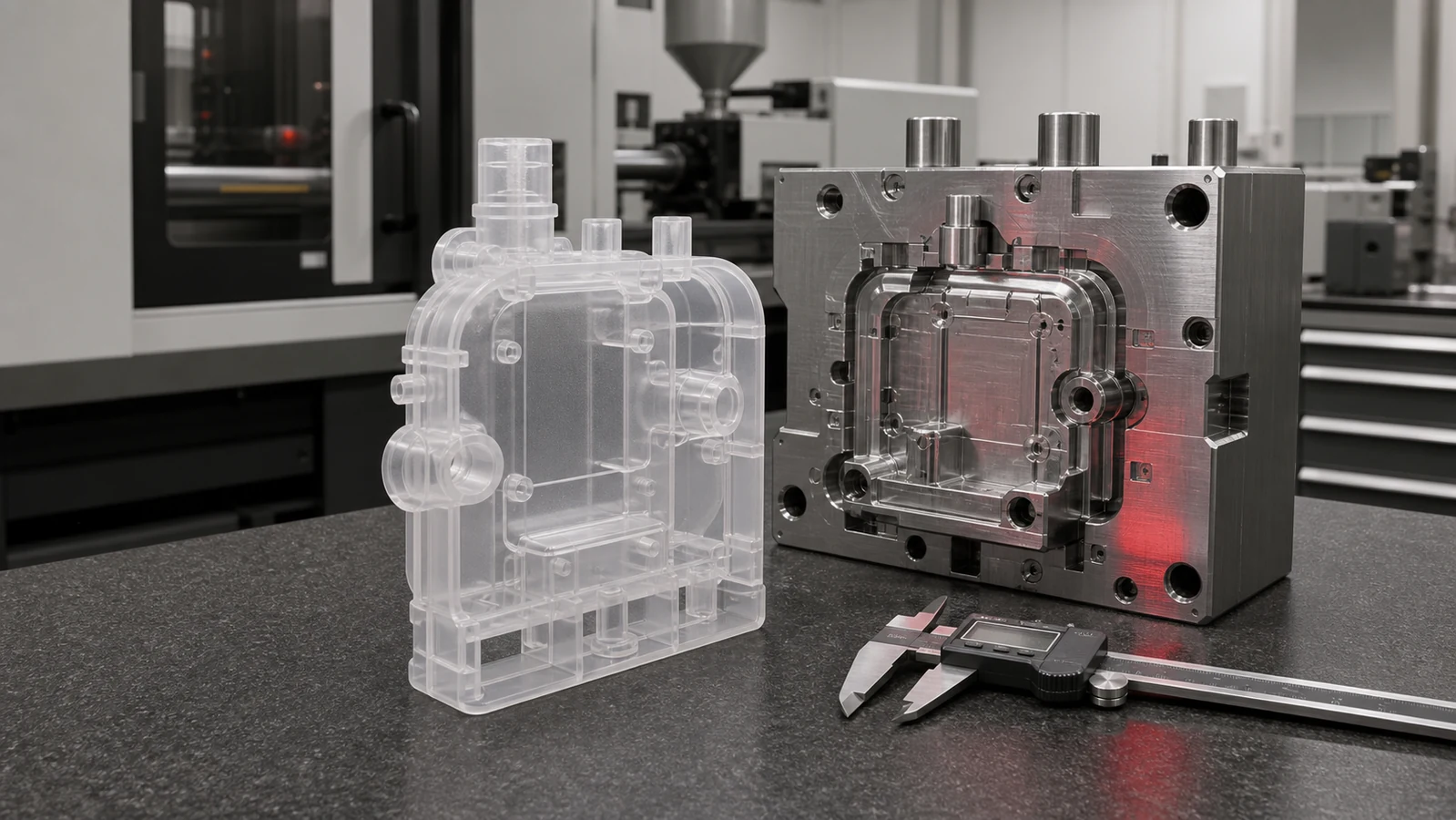
Why material matters more in medical devices
In medical programmes, material is not a convenience choice. It is part of the registered product definition. So prototype evidence generated in substitute materials cannot be transferred to final validation with confidence.
- Biocompatibility evidence (ISO 10993) is only valid on the registered polymer system.
- Sterilisation resistance (steam or EtO) depends on material and moulding history.
- Dimensional and mechanical behaviour under repeated loads is process- and material-specific.
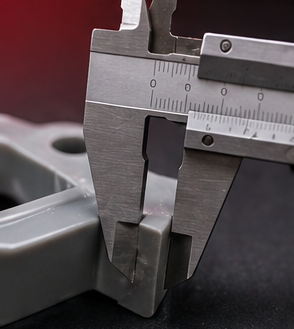
Which evidence remains limited without intended production material
Key validation blocks in medical projects require parts moulded in final resin:
- Mechanical properties in final geometry, including fibre-orientation effects where relevant.
- Dimensional stability after thermal/humidity exposure and sterilisation cycles.
- Chemical compatibility and functional response under real-use and cleaning conditions.
The right phase to run final-material injection
Final-material validation should start in prototype phase, not at first serial lot. At that stage, teams can still tune geometry, functional tolerances and gate strategy without expensive production-tool rework.
Using industrialisable prototype moulds under representative processing conditions can provide process data and CTQ evidence whose transfer limits should be documented against the production setup.
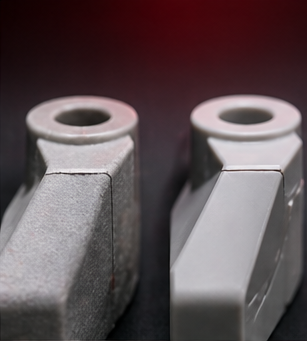
Regulatory impact: if critical deviations are found during first serial lots, IQ/OQ/PQ evidence can be delayed or partially repeated, affecting registration timelines.
The key question before production mould release
Before committing to production tooling, teams should ask: have we validated this medical part in intended production material, under real injection conditions, with documented dimensional and functional criteria?
If the answer is no, technical and timeline risk has already been accepted.