Validation
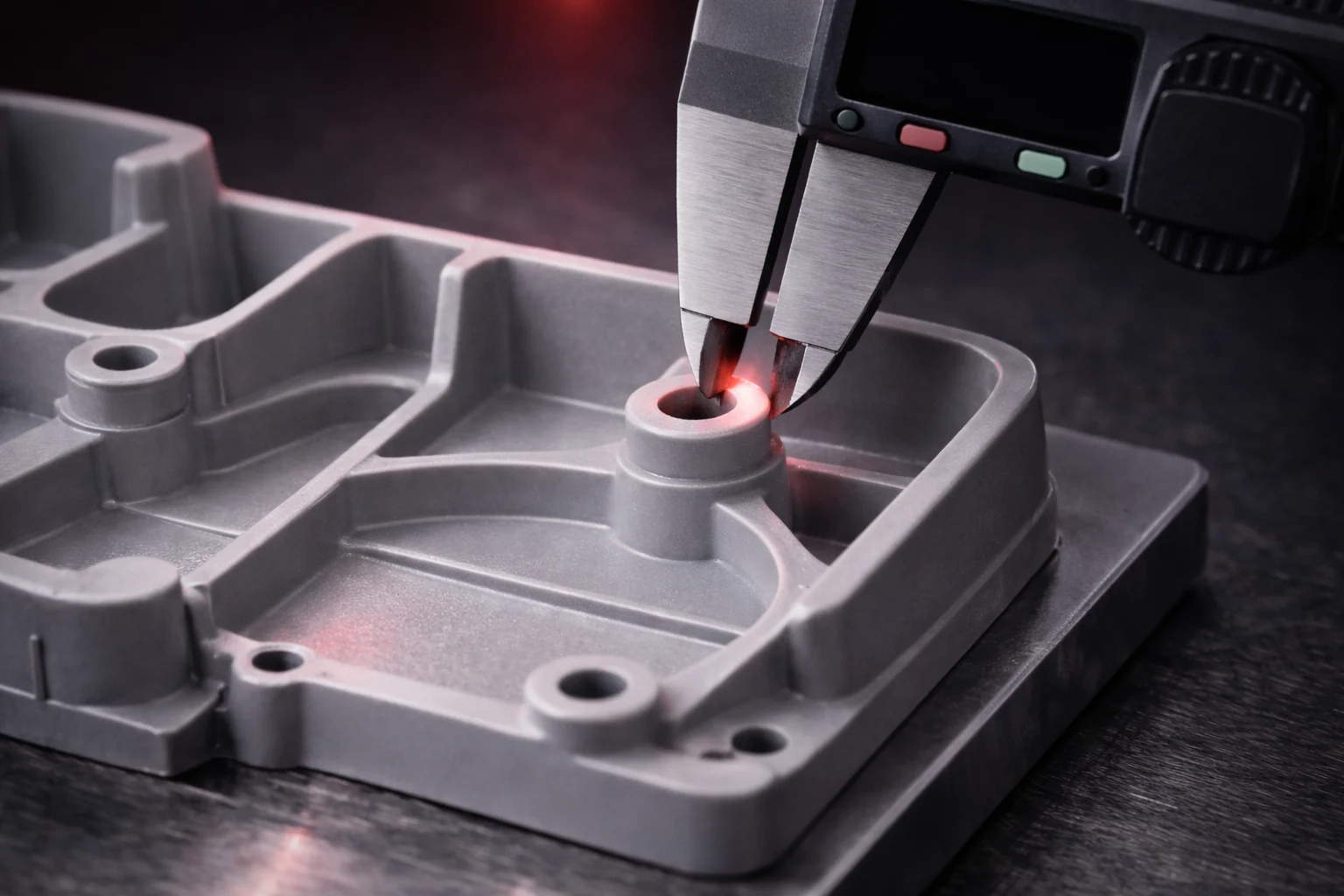
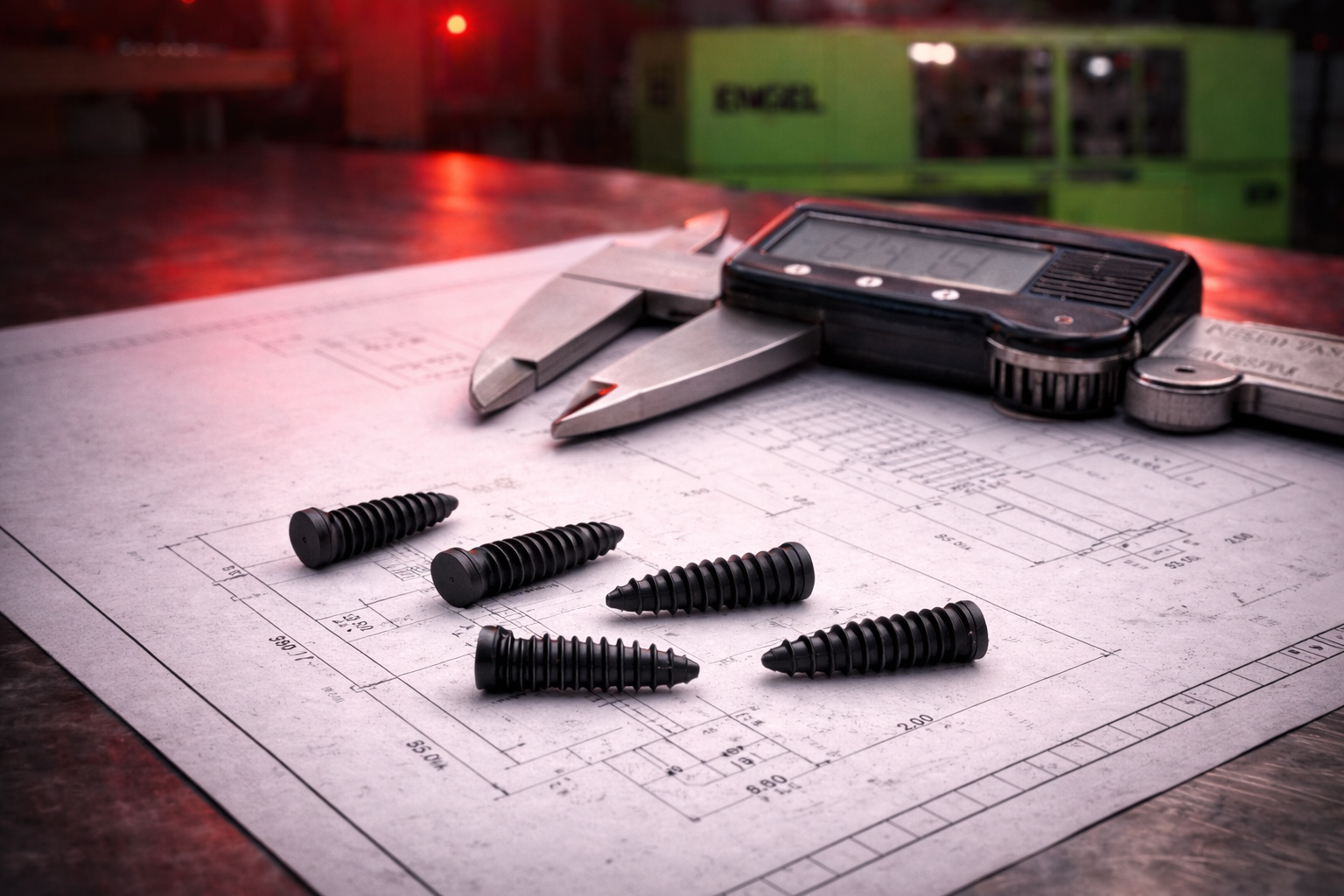
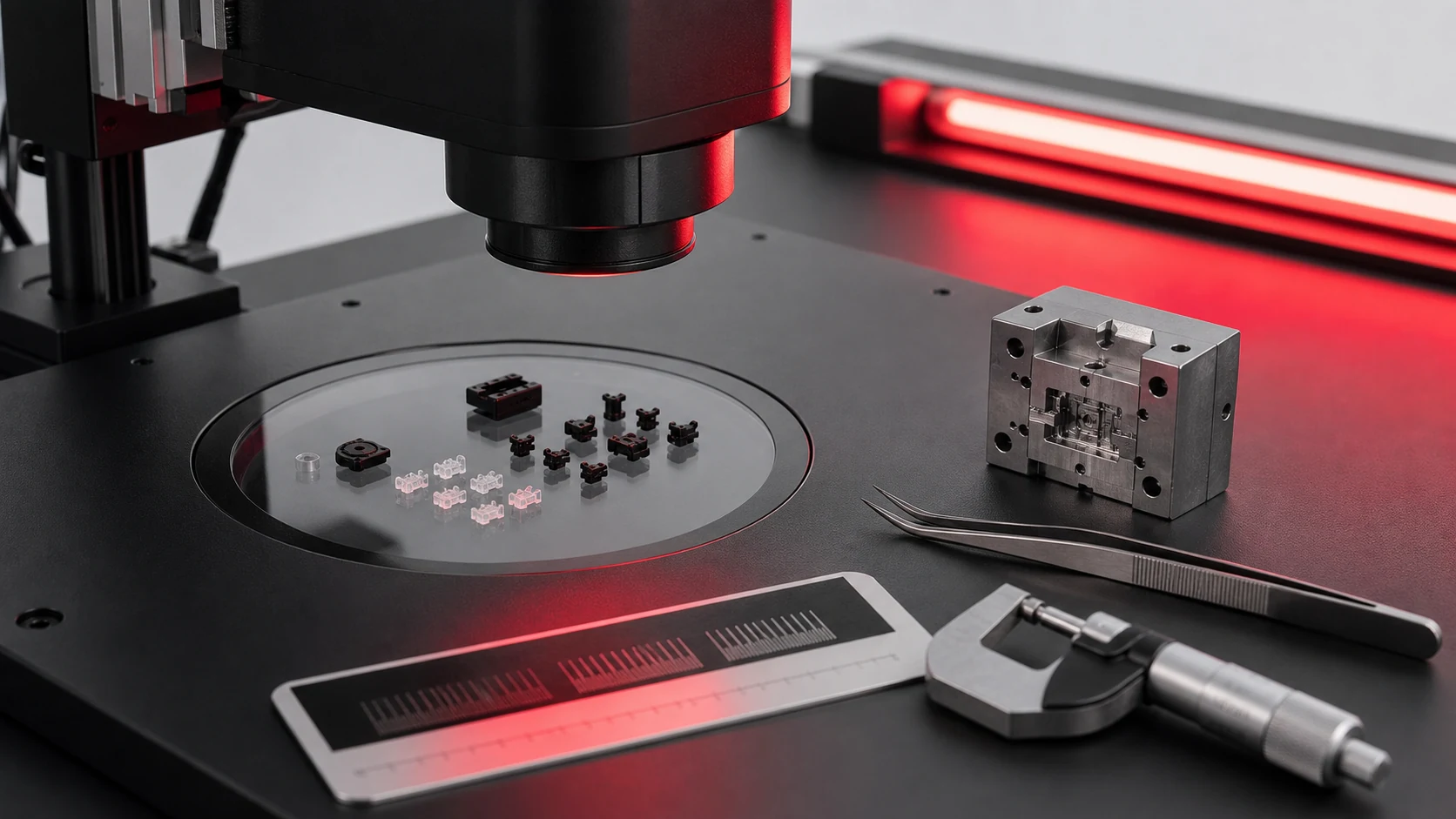
Micro injection moulding: when a tenth changes design, tooling and validation
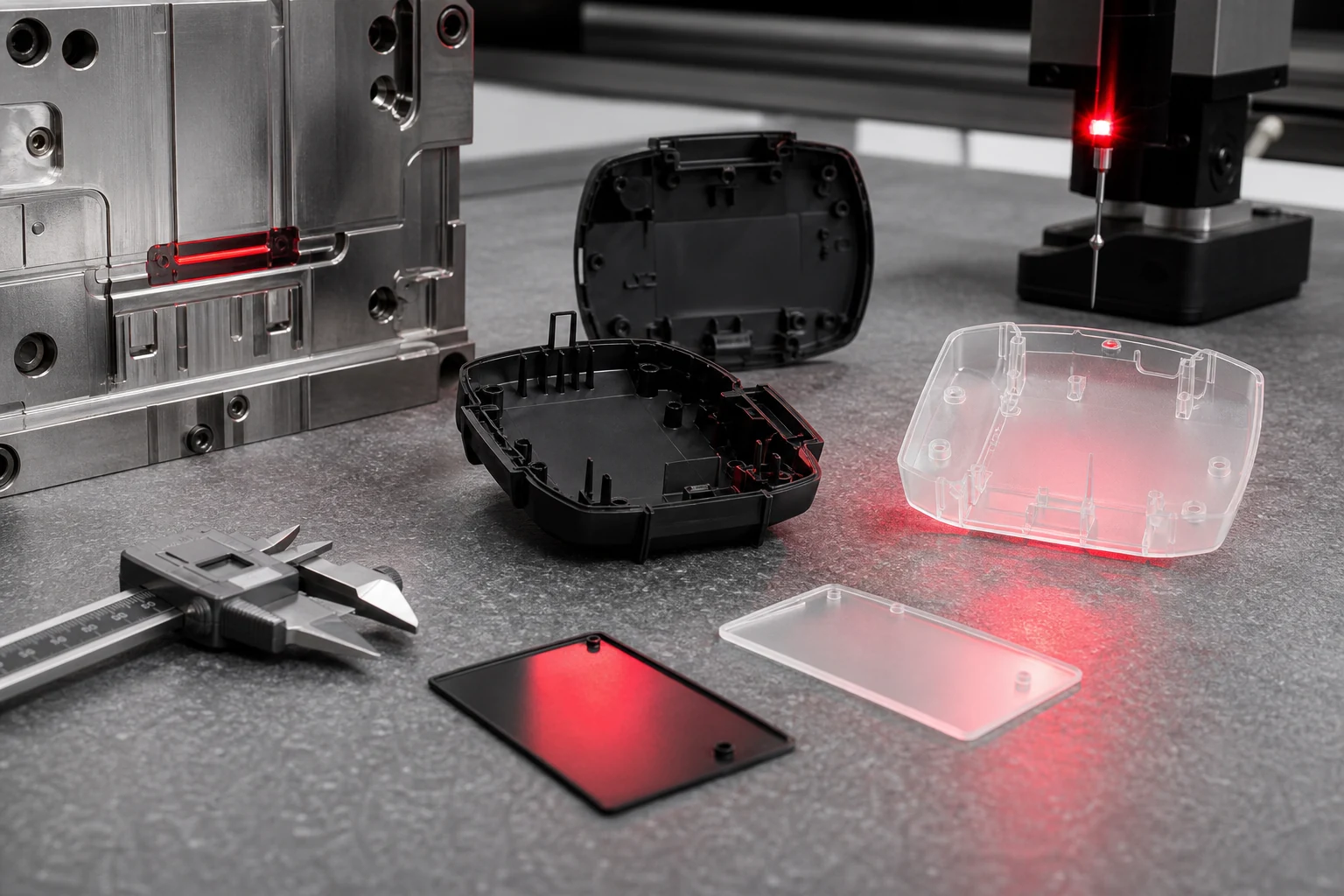
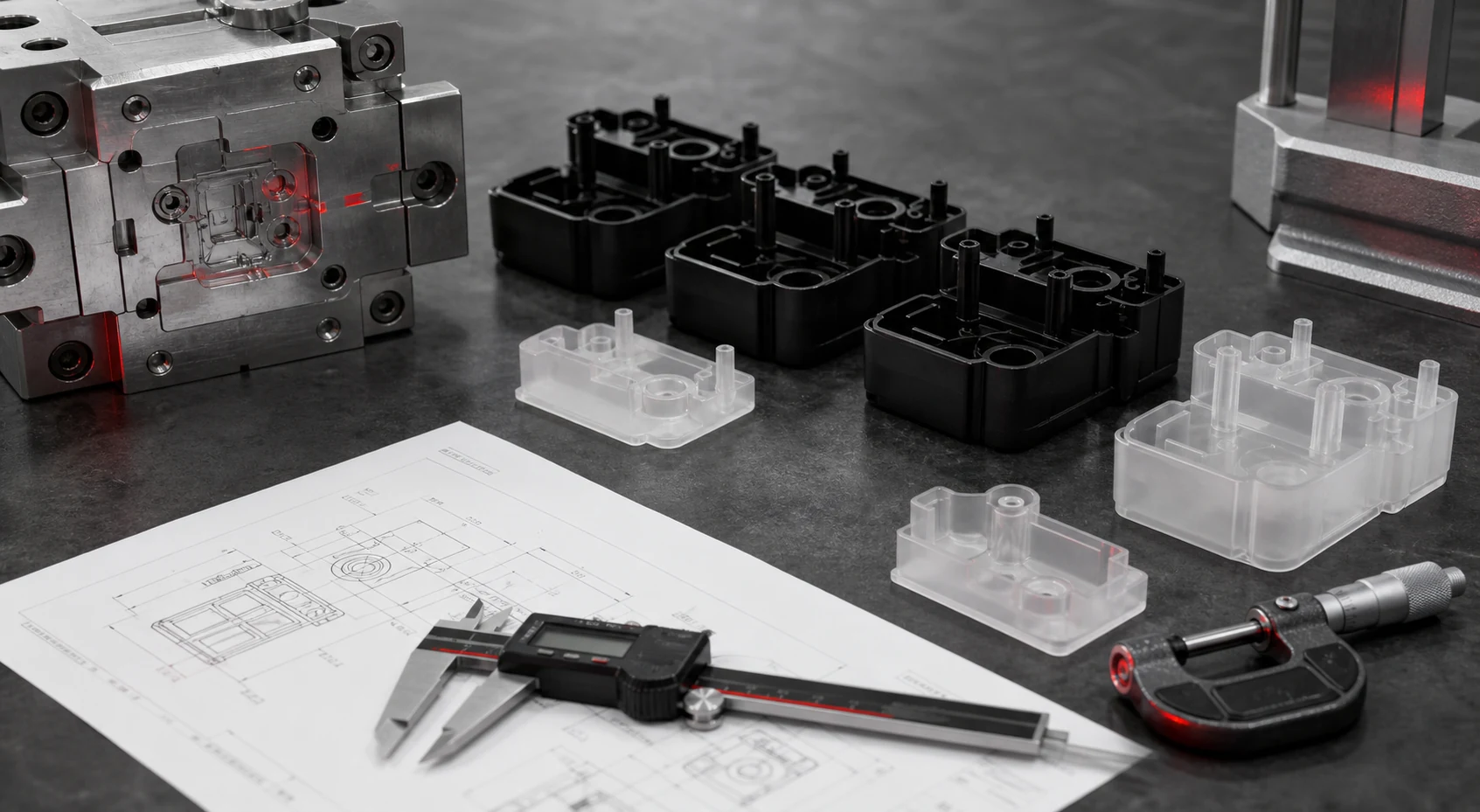
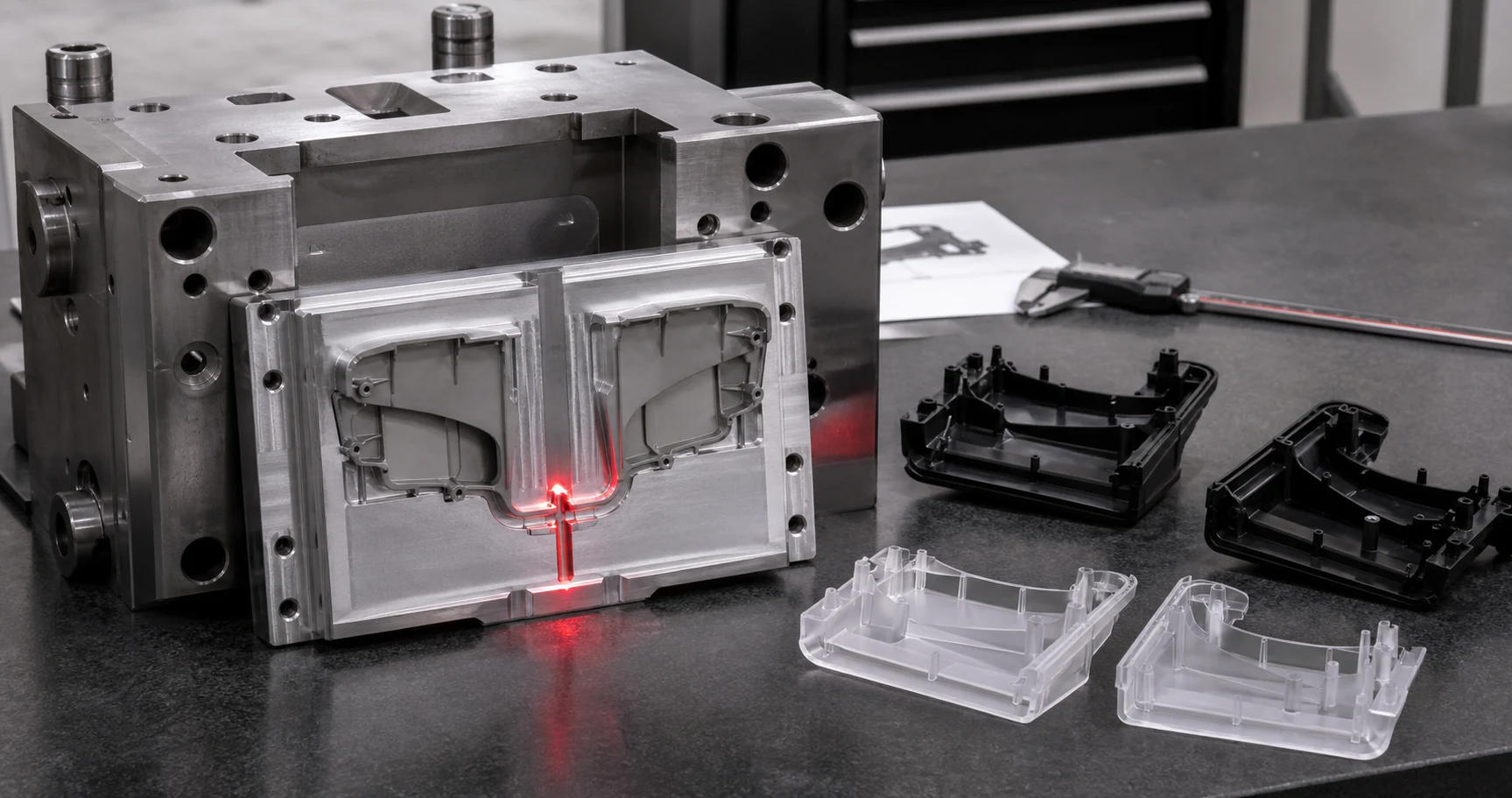
In micro injection moulding, size, tolerance, rheology, gate and part handling require specific validation before series production.
Read articleA practical learning and reflection space on the challenges of injection-moulded plastic part development and the decisions that matter before committing to production tooling.
In micro injection moulding, size, tolerance, rheology, gate and part handling require specific validation before series production.
Read articleA standard mould base can reduce lead time and cost, but it does not replace cavity, cooling, ejection and transfer-to-series analysis.
Read articleThin walls raise demands on flow, pressure, cooling, gate, venting and tolerances. How to validate thin-wall before production tooling.
Read articleLightweighting a metal part with reinforced thermoplastic requires validating stiffness, fibre orientation, creep, assembly and tolerances with the real process.
Read articlePCR materials can vary in MFI, contamination, colour, moisture and properties. How to validate recycled material before production tooling.
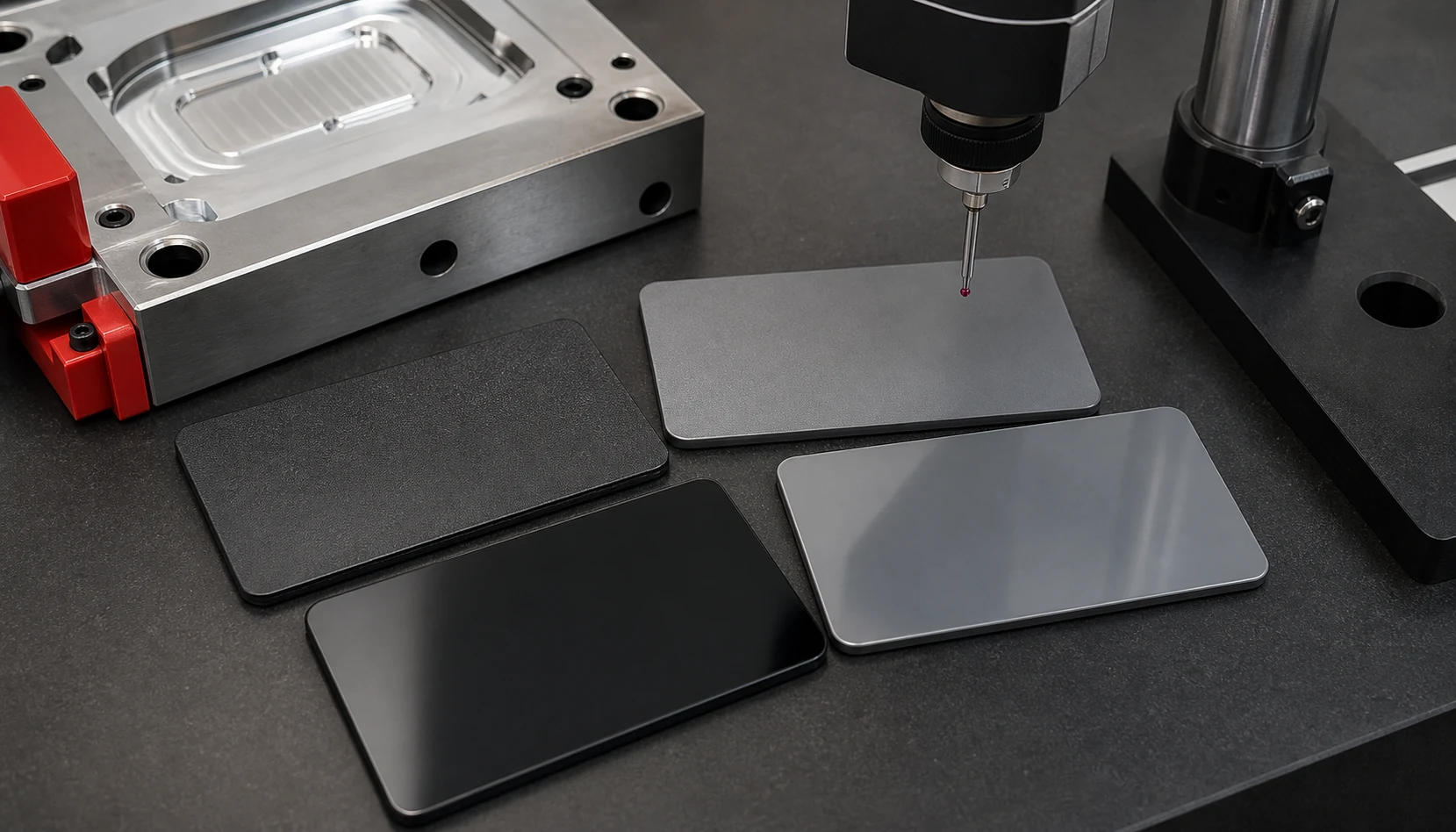
Read articleInjection-moulded surface finish depends on mould, material, texture, process and measurement. How to validate gloss, Ra and texture before production tooling.
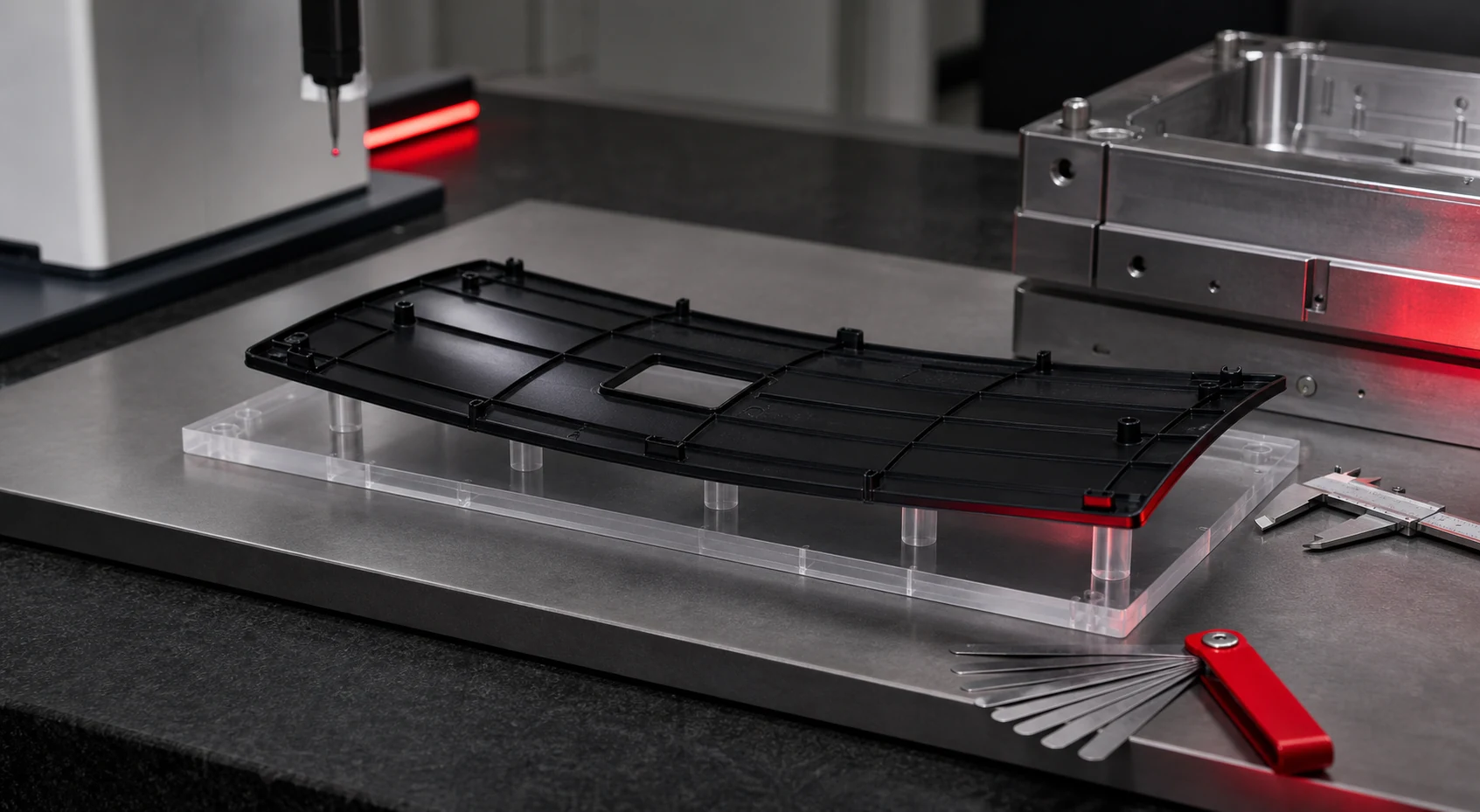
Read articleHow to detect delayed warpage, post-moulding shrinkage and dimensional drift with real injection-moulded parts before production tooling.
Read articleWhat moulding shrinkage measures, why material data are indicative and how to obtain useful evidence before production tooling.
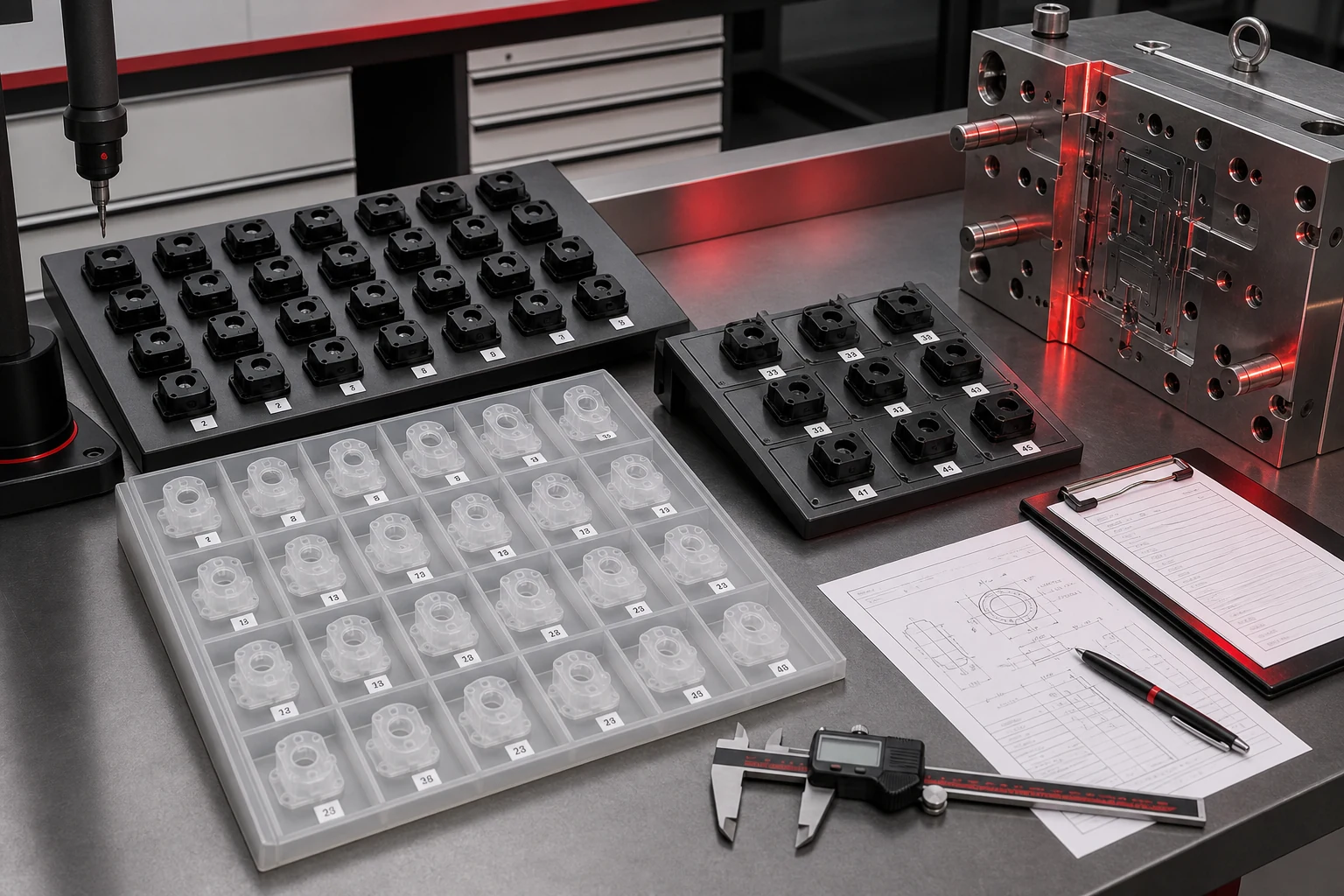
Read articleThe right batch size depends on the objective: assembly, CTQ, process, functional tests or industrialisation evidence.
Read articleAlso available in Español
The injection point conditions flow, weld lines, packing, shrinkage and visible marks. Validating it in prototype avoids carrying uncertainty into production tooling.
Read articleAlso available in Español
Frozen design, defined material, measured CTQ, process window and control plan: the signals that a project is ready for definitive tooling.
Read articleAlso available in Español
3D printing, CNC and silicone tooling can be excellent options, but they do not always answer the material, process and tolerance questions that decide production tooling.
Read articleAlso available in Español
Walls, ribs and bosses can decide whether an injection-moulded part is stable or shows sink marks, warpage or dimensional drift.
Read articleAlso available in Español
Temperature, pressure, speed and cooling define the range where an injection-moulded part is acceptable. That range is confirmed with production material and measured parts.
Read articleAlso available in Español
Changing supplier between prototype and production tooling can force the team to repeat technical learning exactly when launch timing has the least room.
Read articleAlso available in Español
Four in-tolerance parts can create an out-of-spec assembly when the tolerance chain is not validated with real injection-moulded production material.
Read articleThe PQ should not be the first time the team discovers the real capability of the process. An injection-moulded prototype batch can anticipate CTQs, dimensional variability and preliminary Cpk before production tooling.
Read articleThermoplastic elastomers (TPE, TPU, TPV, PEBA) introduce variables that no rigid prototype can reproduce: functional demoulding, processed Shore hardness, overmoulding adhesion and sterilisation compatibility. Validating with substitute materials transfers that risk to the production mould.
Read articleEquiplast 2026 and the international plastics trade show circuit confirm the same direction: process validation, traceability, energy efficiency and real data before the production mould.
Read articleValidating engineering plastic parts with ABS, SLA or other substitute materials can hide shrinkage, tolerance and mechanical-behaviour errors. This article explains why production material must enter the prototype phase.
Read articleIn medical programmes, evidence from substitute-material prototypes is not enough. This article explains how final-material injection at prototype phase reduces technical and regulatory risk before production launch.
Read articleGeometric checks alone do not prevent production rejects. If final production material and real injection conditions are not validated early, risk is transferred to production tooling, where corrections become slower and more expensive.
Read articleWhen each component passes tolerance checks but the final assembly fails, the issue is rarely in CAD alone. It is usually a late validation problem. This article explains why and how to avoid carrying that risk into production tooling.
Read articleShare your case with our technical team and we will assess feasibility, material strategy and prototype route under real injection conditions.
Request a quote